
Call: 07313726233
 Send Inquiry
 Send Inquiry
Acrylic Acid
Price 98 INR/ Dram
MOQ : 5000 Kilograms
Acrylic Acid Specification
- Boiling point
- 141C
- Taste
- Acrid, unpleasant
- Refractive Rate
- n20/D 1.4228
- Smell
- Pungent, irritating odor
- HS Code
- 29161100
- Molecular Weight
- 72.06 g/mol
- Molecular Formula
- C3H4O2
- Structural Formula
- CH2=CHCOOH
- Classification
- Carboxylic Acid
- Organic Acid Types
- Acrylic Acid
- Inorganic Acid Types
- Others
- Grade
- Industrial Grade
- Purity
- 99% min
- Application
- Textile, leather, paper, plastics, adhesives, paints, and coatings
- Appearance
- Clear, colorless liquid
- CAS No
- 79-10-7
- EINECS No
- 201-177-9
- Other Names
- 2-Propenoic acid, Acroleic acid, Vinyl formic acid
- Usage
- Used as a monomer in the production of polyacrylates & for synthesis of other chemicals
- Melting Point
- 12.5C
- Density
- 1.051 Gram per cubic centimeter(g/cm3)
- Solubility
- Miscible with water, alcohol, and ether
- Raw Material
- Propylene
- Flash Point
- 54C (closed cup)
- Vapor Pressure
- 3.8 mmHg (20C)
- UN Number
- 2218
- Stability
- Stable under normal temperature and pressure, but polymerizes easily
- Toxicity
- Harmful if inhaled, swallowed, or in contact with skin
- Viscosity
- 1.3 mPa.s (25C)
- Packing Group
- II
- Storage Condition
- Store in cool, dry, well ventilated area away from sunlight and ignition sources
- Transport Information
- Transported as a hazardous material
- Hazard Class
- 8 (Corrosive substances)
Acrylic Acid Trade Information
- Minimum Order Quantity
- 5000 Kilograms
- Payment Terms
- Cash Against Delivery (CAD), Cash on Delivery (COD), Cash Advance (CA), Cash in Advance (CID), Cheque, Letter of Credit at Sight (Sight L/C), Letter of Credit (L/C)
- Supply Ability
- Kilograms
- Delivery Time
- Days
- Packaging Details
- 200 KGS DRUM
- Main Domestic Market
- All India
About Acrylic Acid
Product details
|
Purity |
100% |
|
Pack Size |
200 Kgs Drum |
|
CAS No.: |
79-10-7 |
|
Grade |
Industrial |
|
Colorless liquid |
Colorless liquid |
|
Formula |
C3H4O2 |
|
Molar mass |
72.06 g/mol |
Country of Origin: China/imported
Industrial Versatility
Acrylic Acid is a crucial raw material in the production of textiles, leather, paper, adhesives, paints, and various plastics. Due to its high purity and compatibility with many solvents, it serves as a foundational building block in chemical synthesis and polymer manufacturing, which makes it indispensable across multiple industries.
Safe Storage & Handling
Storing Acrylic Acid demands careful attention as it is highly flammable and corrosive (Hazard Class 8). The product must be kept in cool, dry, and well-ventilated warehouses, away from sunlight and ignition sources, to maintain stability and prevent hazardous polymerization or leaks. Industrial users should comply with safety protocols and transport regulations (UN 2218, Packing Group II).
Key Chemical Properties
Acrylic Acid is recognized for a low viscosity (1.3 mPa.s at 25C), flash point (54C, closed cup), and moderate boiling point (141C). Its impressive solubility in water, alcohol, and ether, as well as reliable stability under standard conditions, make it easy to integrate into various chemical processes and product formulations.
FAQ's of Acrylic Acid:
Q: How should Acrylic Acid be safely stored and handled in an industrial setting?
A: Acrylic Acid should be stored in a cool, dry, well-ventilated area, away from direct sunlight, ignition sources, and incompatible materials. As it is classified as a Hazard Class 8 (corrosive) substance and can polymerize easily, appropriate personal protective equipment (PPE) and airtight containers are essential during handling. Regular monitoring for leaks or instability is also recommended.Q: What are the main uses of Acrylic Acid in industry?
A: Acrylic Acid is primarily used as a monomer to produce polyacrylates, which are essential in the manufacturing of superabsorbent polymers, adhesives, coatings, paints, plastics, textiles, leather, and paper. Its high reactivity and solubility make it valuable for synthesizing a wide range of chemical products.Q: When is Acrylic Acid considered hazardous during processing or transport?
A: Acrylic Acid is hazardous throughout its lifecycle as it is corrosive, flammable (flash point 54C), and harmful if inhaled, swallowed, or in contact with skin. During transport, it must be classified as a hazardous material (UN 2218, Packing Group II) and follow strict regulatory procedures to ensure safety.Q: Where is Acrylic Acid commonly used in the supply chain in India?
A: In India, Acrylic Acid is commonly distributed, imported, and supplied to industries involved in the production of textiles, paints, adhesives, plastics, and papers. It is offered by numerous wholesalers, traders, and chemical suppliers serving various industrial sectors nationwide.Q: What benefits does Acrylic Acid provide to manufacturers?
A: Acrylic Acid enables the production of versatile polyacrylates and facilitates advanced chemical processes due to its high reactivity, purity, and solubility. Manufacturers benefit from efficient product formulation, improved performance characteristics of end products, and adaptability in numerous industrial applications.Q: How is Acrylic Acid produced and what is its typical raw material?
A: Acrylic Acid is generally manufactured through the oxidation of propylene, an industrially available hydrocarbon. The process yields high-purity Acrylic Acid suitable for wide-ranging industrial applications.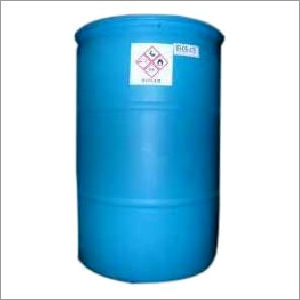
Tell us about your requirement

Price:
Quantity
Select Unit
- 50
- 100
- 200
- 250
- 500
- 1000+
Additional detail
Mobile number
Email


Contact Details
J.M.CORPORATION
GST : 27AAGPM4205M1ZL
- Admin Office : Room Number 18, 2nd, Floor Mahavir Darshan 412, Narshi Natha Street, Masjid Bunder West,Mumbai - 400003, Maharashtra, India
- Phone :07313726233
 Send Inquiry
Developed and Managed by Infocom Network Private Limited.
